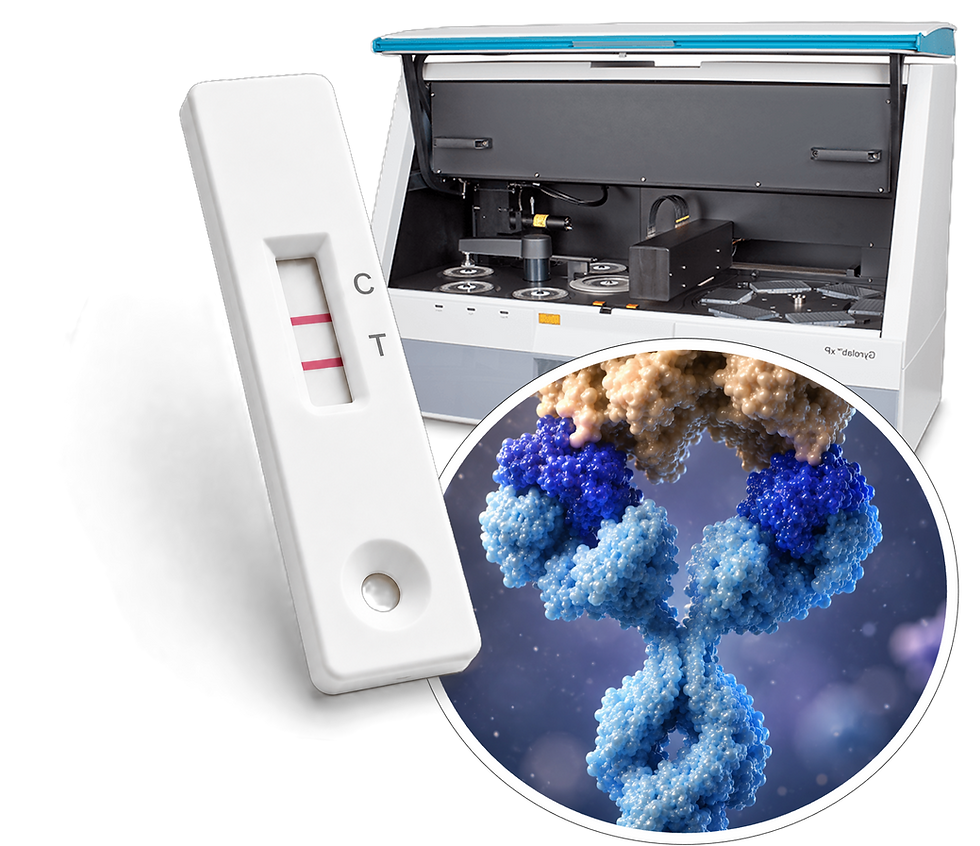
Bioconjugation for Therapeutic Applications: Advancing Targeted Drug Delivery
In modern medicine, bioconjugation for therapeutic applications has emerged as a powerful tool for advancing drug delivery and targeted therapy. By combining biological molecules with synthetic compounds, bioconjugation enables the development of novel strategies for drug delivery and targeted therapy. In this article, we explore the principles behind bioconjugation and its diverse applications in improving the efficacy and specificity of therapeutic interventions.
Understanding Bioconjugation
Bioconjugation involves the covalent attachment of two or more molecules, typically a biomolecule (such as a protein or nucleic acid) and a synthetic moiety (such as a drug or nanoparticle), to form a single hybrid entity. This process enables the creation of multifunctional constructs with enhanced properties for therapeutic purposes.
Drug Delivery Systems
1. Nanoparticle-Based Delivery: Bioconjugation facilitates the conjugation of therapeutic agents to nanoparticles, such as liposomes, polymeric nanoparticles, or inorganic nanoparticles. These nanocarriers can be functionalized with targeting ligands to selectively deliver drugs to specific tissues or cells, enhancing drug efficacy while minimizing off-target effects.
2. Polymer-Drug Conjugates: Conjugating drugs to polymers, such as polyethylene glycol (PEG), enhances their pharmacokinetic properties, including stability, solubility, and circulation half-life. Polymer-drug conjugates can improve drug delivery to target sites and reduce systemic toxicity, making them promising candidates for various therapeutic applications.
Targeted Therapy Approaches
1. Antibody-Drug Conjugates (ADCs): ADCs combine the specificity of monoclonal antibodies with the cytotoxicity of chemotherapeutic drugs. Through bioconjugation, drugs are conjugated to antibodies via linker molecules, allowing for targeted delivery to cancer cells expressing specific antigens. ADCs minimize systemic toxicity and improve therapeutic efficacy by delivering cytotoxic agents directly to tumor cells.

2. Peptide Conjugates: Peptides can be conjugated to drugs or imaging agents to facilitate targeted delivery to diseased tissues or cells. Peptide-based targeting exploits the specific interactions between peptides and cell surface receptors, enabling selective accumulation of therapeutics at the desired site of action.
Challenges and Future Directions
While bioconjugation holds immense promise for therapeutic applications, several challenges must be addressed, including:
• Linker Stability: Ensuring the stability of linkers used in bioconjugation is crucial to prevent premature drug release and off-target effects.
• Immunogenicity: Minimizing immune responses against bioconjugates is essential for their safe and effective use in clinical settings.
• Optimization of Targeting Ligands: Designing and optimizing targeting ligands to enhance specificity and affinity for diseased tissues remains a key area of research.
Conclusion
Bioconjugation has revolutionized drug delivery and targeted therapy, offering tailored solutions for a wide range of diseases, including cancer, infectious diseases, and neurological disorders. By harnessing the principles of bioconjugation, researchers continue to develop innovative strategies to improve the efficacy, safety, and specificity of therapeutic interventions. As this field advances, bioconjugates hold great promise for transforming the landscape of modern medicine and improving patient outcomes.